The Genesis: Research & Ideation
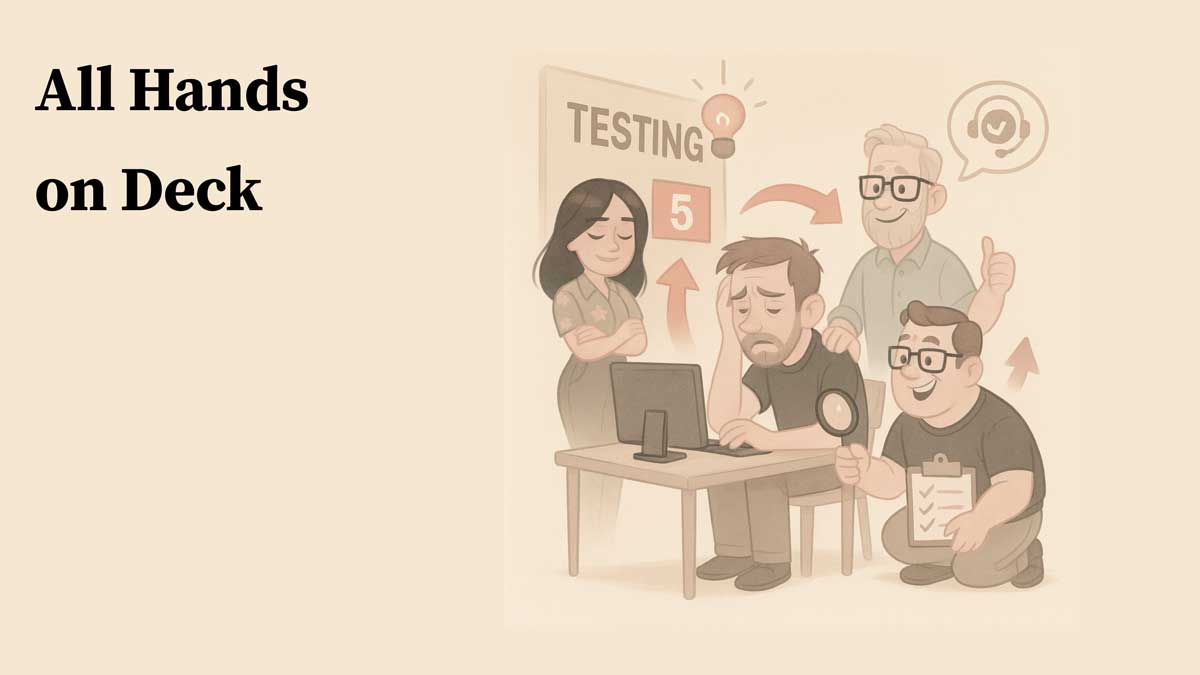
September 9-20, 2025. Where it all began. Discovering HuggingFace, Claude Projects, and realizing that voice + Kanban could eliminate workflow bottlenecks.
The Spark
Development teams grinding to a halt because designers couldn't code, coders couldn't test, and testers couldn't deploy. Sequential handoff waste, the same bottleneck Toyota solved in 1956 with Kanban boards.
What if voice commands made task management so frictionless that teams actually wanted to cross-train? What if the system detected bottlenecks and suggested adjacent tasks to idle developers?
Discovery Phase
Two weeks of exploration. HuggingFace's model repository. OpenAI's Whisper for voice-to-text. Claude Projects for context management. The pieces were there.
The breakthrough came from Toyota's original Kanban system. Taiichi Ohno created pull-based flow that eliminated waste. Voice commands could enable the same: pulling tasks based on capacity rather than pushing work through rigid handoffs.
Three Intelligence Layers
By September 20, the core architecture emerged:
- Domain-aware routing: Understanding "fix the login bug" means finding someone with debugging skills AND authentication knowledge
- Flow-conscious queueing: WIP limits that matter, max 3 tasks per person, 8 across the team
- Context linkage: When testing queues back up, suggest related coding tasks to idle developers
The Personas
Four personas guided every design decision:
- Dana (Designer): Strong in UI/UX, learning basic CSS
- Chris (Coder): Backend expert, weak on testing
- Ted (Tester): QA specialist, curious about automation
- Oliver (Ops): DevOps guru, wants to understand user needs
Each represented a silo that needed breaking. The system wouldn't just assign tasks, it would actively encourage growth across boundaries.
Six Task Types
The taxonomy emerged from real workflows:
- Config: Environment setup, deployment
- Feature: New functionality, user-facing capabilities
- Debug: Bug fixes, troubleshooting
- Docs: Documentation, knowledge sharing
- Review: Code reviews, QA checks
- Refactor: Code improvement, tech debt
Why Voice?
Typing "Assign bug #847 to next available developer with JavaScript and testing skills" is friction. Saying "Assign JS bug to free tester" is natural.
Voice commands would map to Kanban operations naturally. The system would parse intent, understand context, and execute, all through conversation.
What I Didn't Know Yet
I had no idea how hard MCP integration would be. GitLab and Trello would fail. "Just use the API" would become weeks of debugging.
But I had the vision: Voice + Kanban + AI routing = teams that flow like water instead of getting stuck in silos.
The Pitch Takes Shape
By September 20, I had enough. The 8-cell template gave structure. Toyota inspiration provided theory. Personas brought the human story.
No working code yet. But something more important: a clear problem, a novel solution, and a roadmap for 20 weeks.
This was the genesis. Everything after, the struggles, pivots, breakthroughs, started with these two weeks of research and ideation.